We’ve received this very interesting content from Graham Snape relating to his University research.
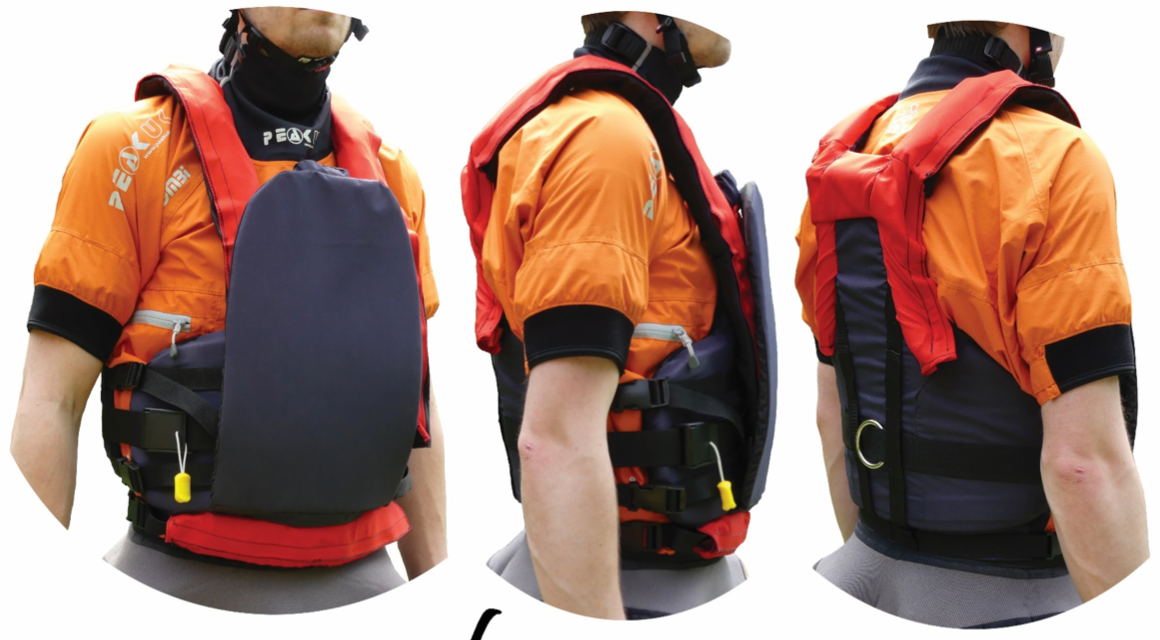
For my major project at the University of Nottingham I investigated whitewater Personal Floatation Devices (PFDs) and the level of buoyancy they provide. The aim of the project was to increase the total buoyancy available to the user in emergency situations.
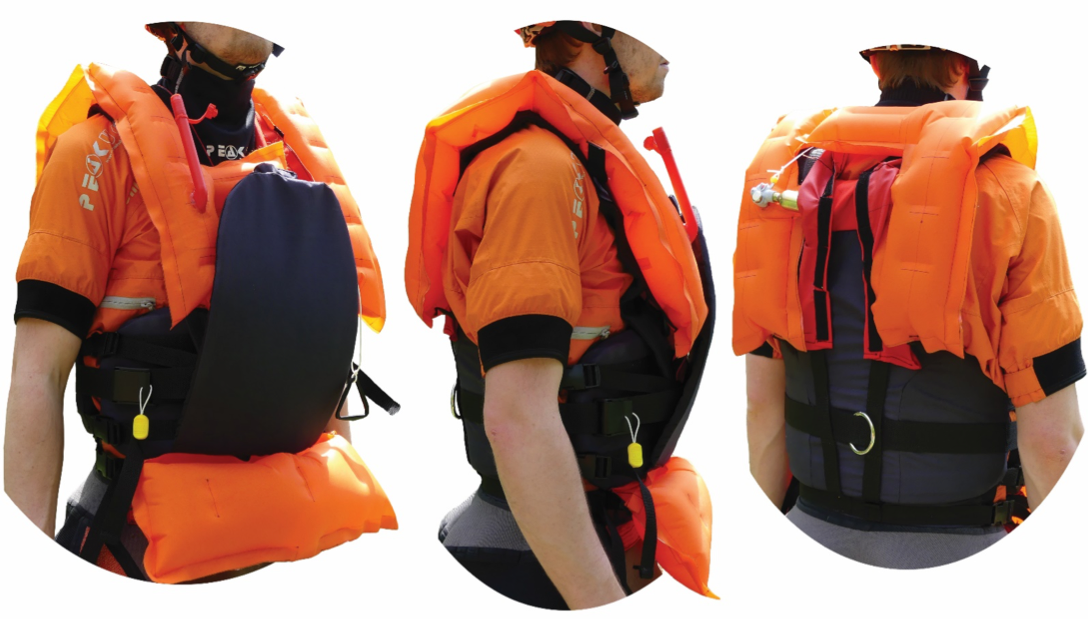
The first problem I encountered: increasing the total buoyancy using just foam would significantly reduce manoeuvrability whilst paddling. The amount of foam that could be added without reducing manoeuvrability was negligible, so the route of inflated buoyancy was taken.
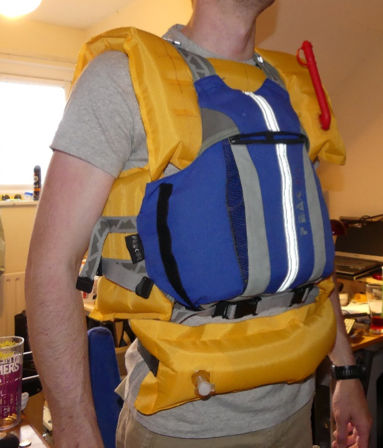
To test the idea of using inflated buoyancy, I made standalone inflation chambers. These helped trial different locations for the chambers on the PFD and the adjust the total volume of the inflated buoyancy – giving significant additional support whilst ensuring the user would still be in control when swimming in the water. The additional inflated buoyancy was kept as close to the body as possible to avoid obstructing movement.
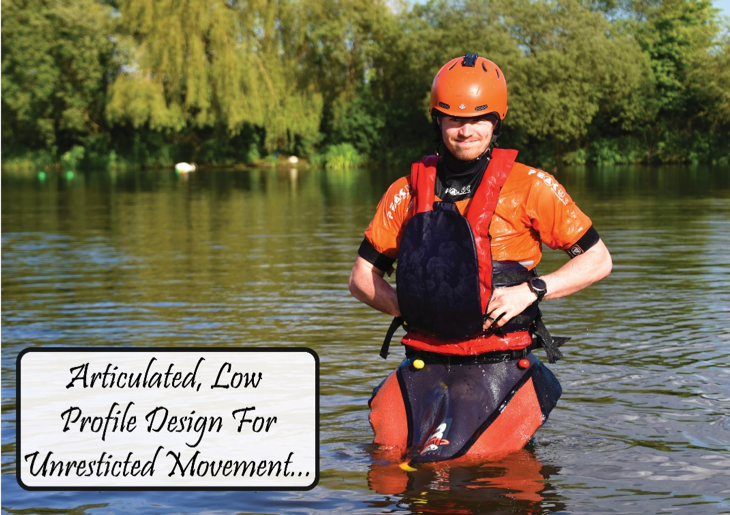
Once the best volumes and locations for the inflation chambers were found it was time to design the buoyancy aid and the containment system. This was designed to be as low profile as possible but also include all the necessary features to allow the PFD to be used in extreme environments. A large amount of storage for safety equipment and personal items was featured in the design, including a quick access slot. Other features included: knife tab; rescue harness (with triple looping system); and safety loop (abseiling).
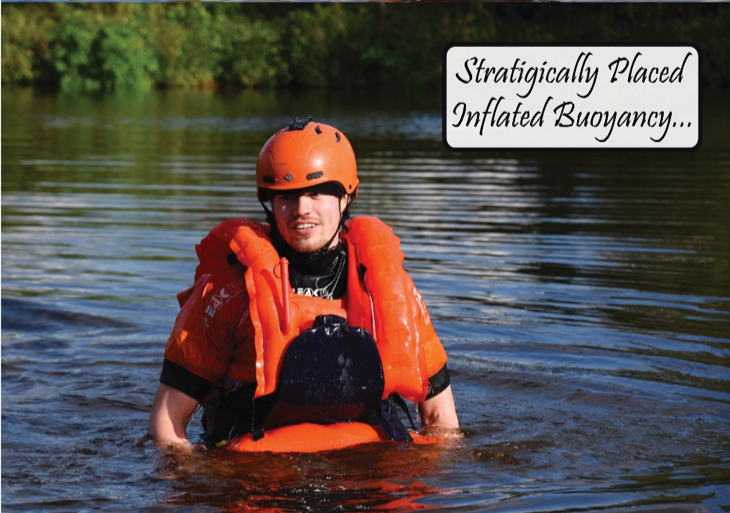
The foam provides 65N of buoyancy for everyday use. This can be increased by 110N (to give 175N) in emergencies. The extra buoyancy helps you resurface quickly and keep your head above the water. When the chamber is inflated the PFD still acts like a normal buoyancy aid but keeps you higher out of the water – you’re still able to swim and turn as usual. The inflation chamber at the bottom helps to keep your hips up when you’re on your back, stopping your legs dropping down and potentially getting stuck.
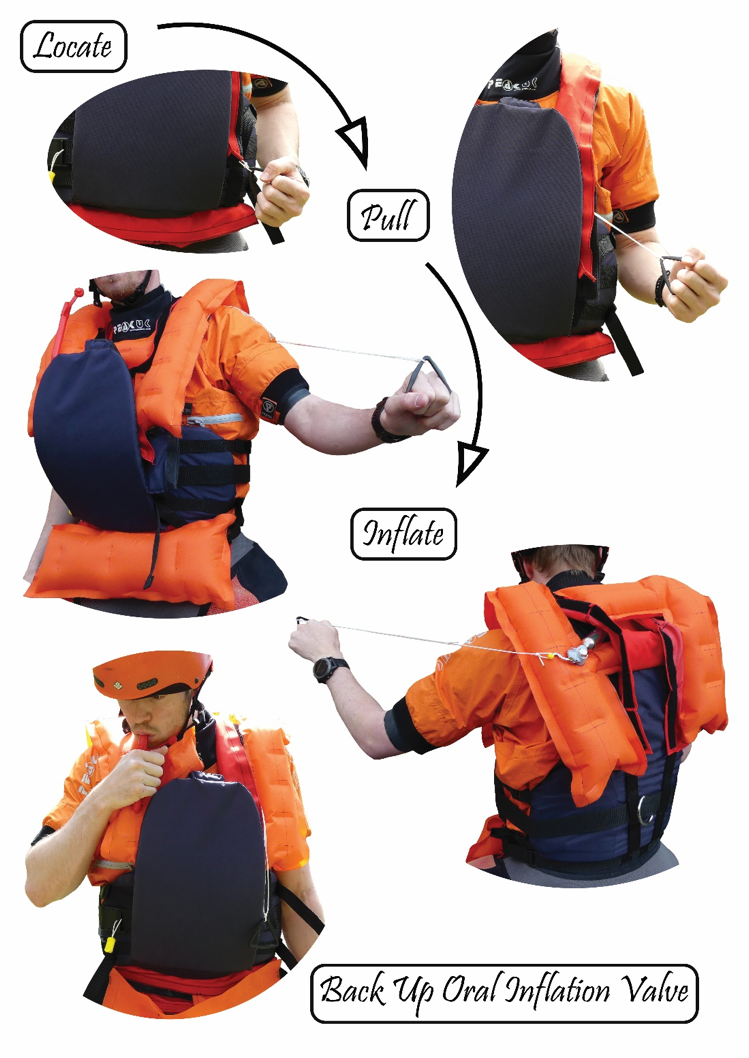
Super simple inflation method giving you an extra 110N of buoyancy in a matter of seconds.
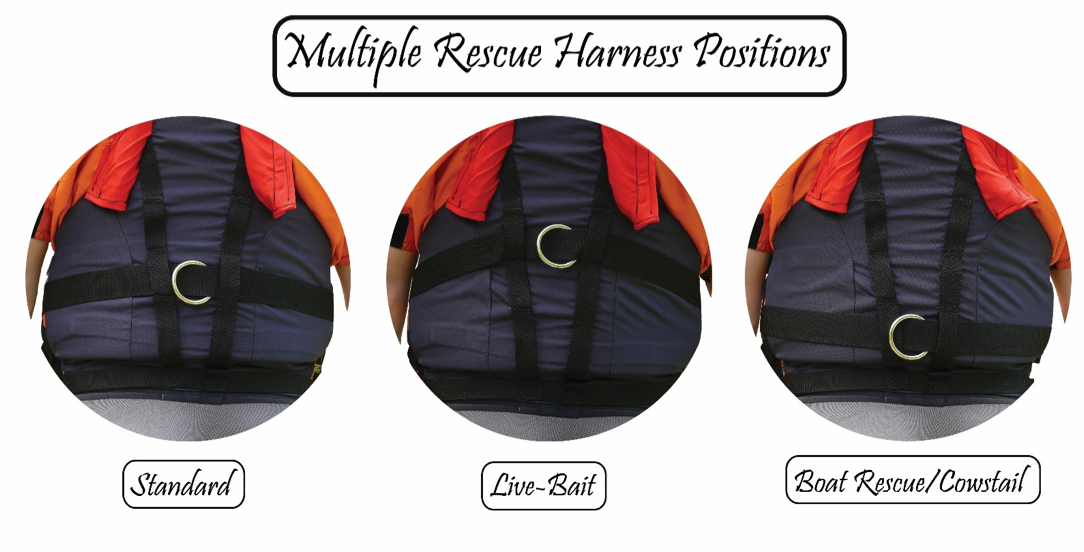
Different rescue harness positions for different uses:
Standard – so you’re ready for any circumstance
Live-Bait – raises the anchor point to ensure the force of the water doesn’t fold your body keeping your head at the surface
Boat Rescue/Cowstail – lowers the anchor point so the force on you when towing a boat is grounded to your boat and you aren’t pulled back (so not leaning backwards and out of control)
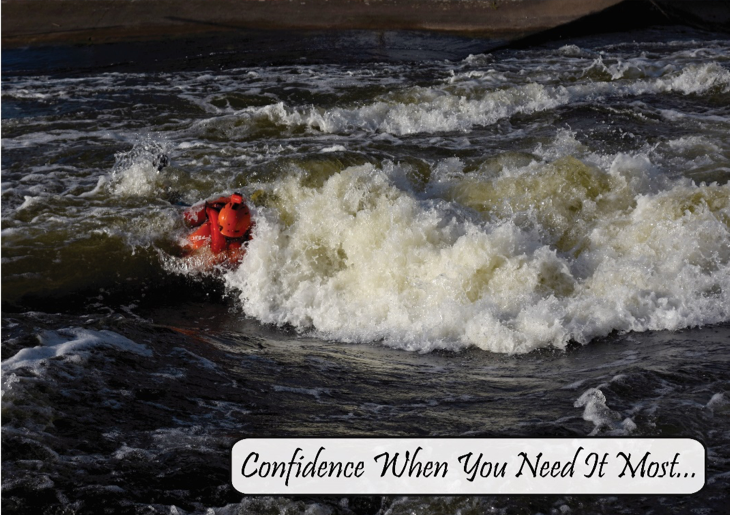
The inflation chambers would always be ready for the day you really need that extra bit of help, making those swims a little more comfortable and keeping you safe when you are most vulnerable to the power of the river.
This was a conceptual project specifically aimed at being used by extreme whitewater paddlers. It was great fun designing and testing the prototype (although limited to testing at Holme Pierrepont by the University). If you’d like to know anymore about the project, feel free to contact me or come down to my Uni degree show for a chat.
grahamcsnape@gmail.com
Design Exhibition 2018
15th, 16th, 18th and 19th June 2018 (09:30-16:00)
Engineering Science Learning Centre (ESLC), Design Studio, Nottingham NG7 2TQ


Leave a Reply