Until recently, I’ve never carried a repair kit whilst on the river, but have had a number of things break, bolts coming loose or a hull punctured. Usually these have been on relatively short trips and I have been able to make it to the end.
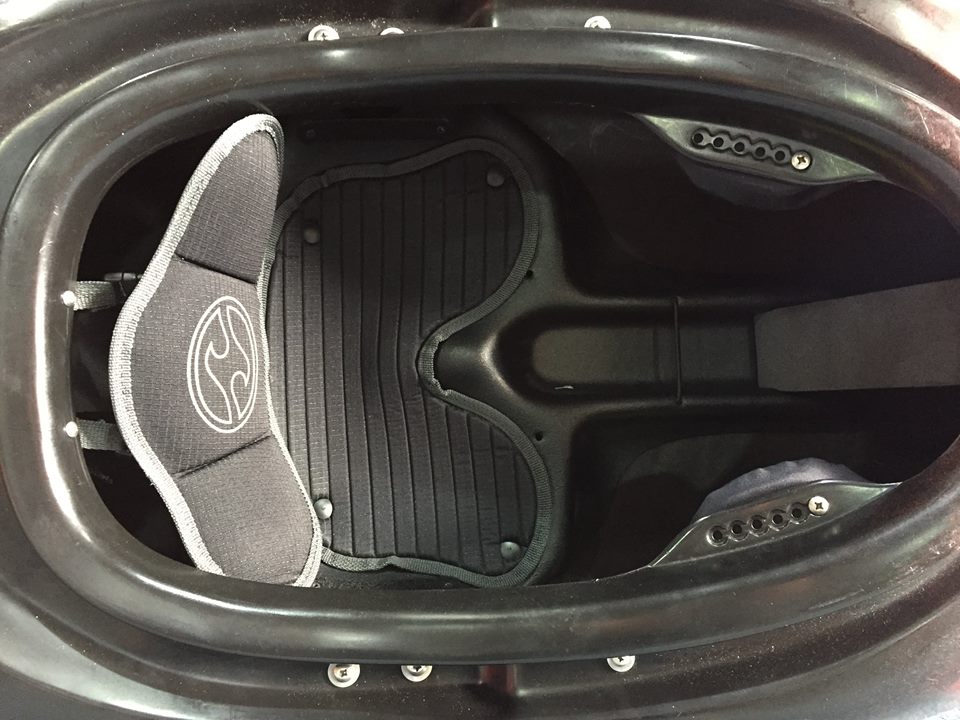
I have a couple of mates who have had damage that has resulted in very long walk outs from the river.
Although you can’t plan for all eventualities it is good to carry a few bits and pieces that could get you or another paddler out of a tricky situation.
Prevention is always better than a cure but what do you do when it breaks?
The non-comprehensive list:
Cable ties
These can be used for a multitude of repairs that are only really limited by your imagination. I would recommend the reusable ones that are easy to remove and repurpose. I have seen cable ties used to stitch a crack in a boat together and then a quick riverside weld done to get the water seal. It worked pretty well an lasted for quite a few more trips out.
Multitool/Bit Driver
Sometimes a bike multitool or a Leatherman with a bit adaptor is enough. BUT …. check the bolts on your boat.
What are they?
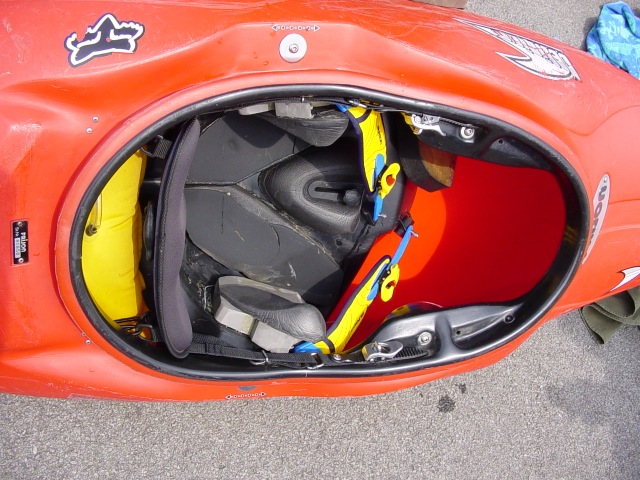
Some boats use screw heads, some use Allen bolts. Others use security bolts or a combination of all of the above.
What ever you carry you must be able to take care of all of your bolts.
I quite like the multitools that have a bit driver or carry a small dedicated bit driver. I can then customise what bits I carry. Hex bits from Wera are also available in stainless steel.
Many multitools like the Leatherman include a pair of pliers which can come in super handy.
Spare bolts, nuts and washers
Linked to above. Carry a few spares.
Some boats still use screws with an imperial thread, but most are now metric. You need to make sure that any spares have the same pitch of thread.
Footrest nuts
Just in case one breaks or is lost. Sometimes these can be kayak specific. Make sure you get one that is recommended by your kayak manufacturer.
Foam
I don’t carry a spare drain bung. You can get them but not all boats use the same type. A chunk of high density foam is far more useful for a makeshift drain bung plug. It doesn’t matter about the make/model of the boat, it can be used in any boat. A lump of foam can be carved into a rough plug shape and stuffed into the hole.
The best foam is the same as that used in the central foam pillar of a boat.
Drysuit Zip Lube
Dry suits always come with a small tube of lube. This keep the zips (both metal and plastic) running smoothly. It is best to use this as a preventative measure to protect the zip teeth and ensure that the zip runs smoothly. But sometimes that sticky zip at the get in needs a little help.
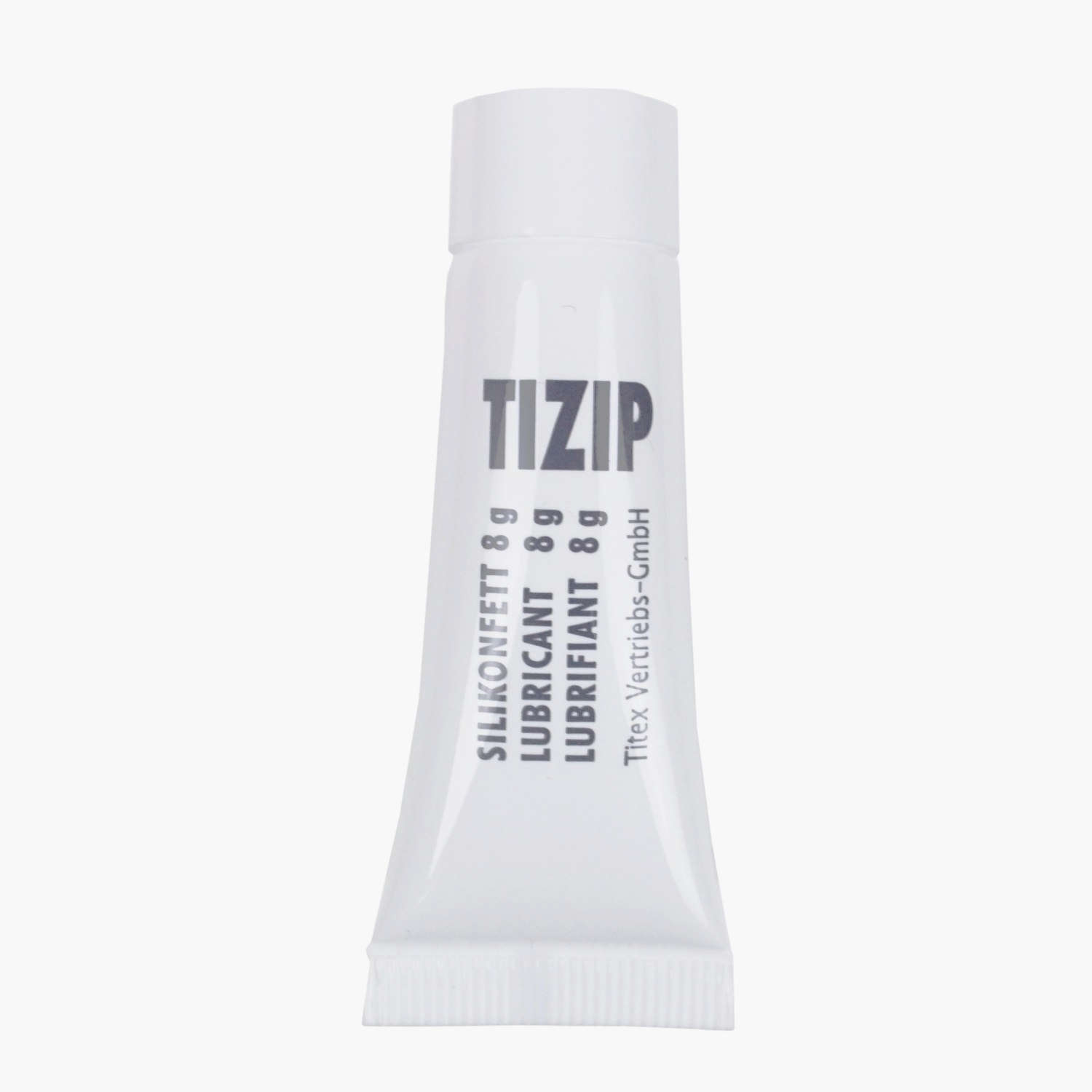
If you have lost your tube, they can picked up at a diving/kayak shops or online for around £7.
Paracord
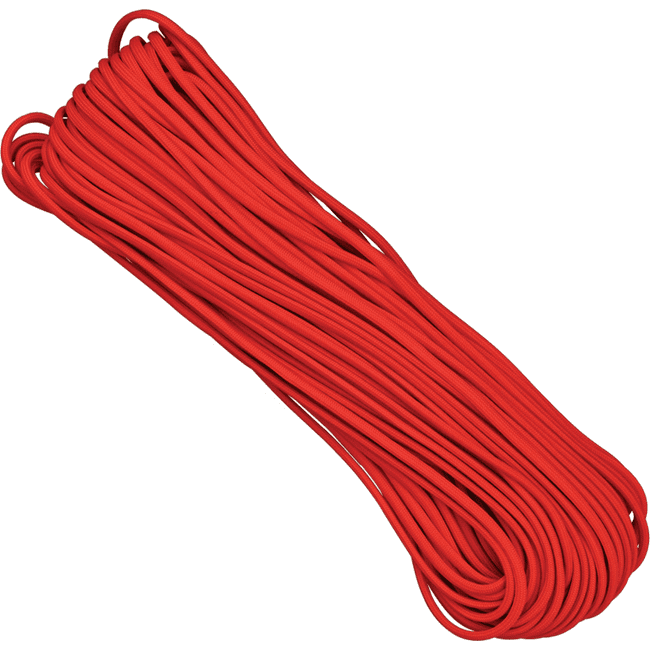
Get the proper 550 paracord. It’s strong and be be used for a multitude of repairs. A bit like zip ties the possibilities are endless. I also try to go for brightly coloured cord as it is a bit easier to find if in a dry bag or placed on the ground.
Knife
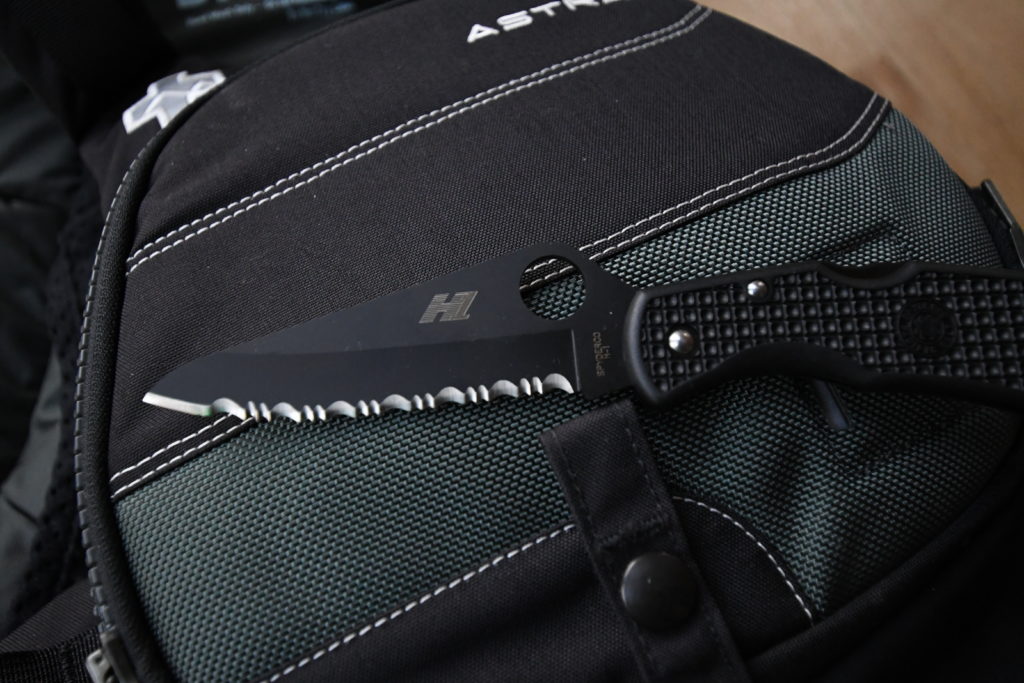
I have a river knife as part of the standard river kit so I am able to cut cord etc. I use a Spyderco Pacific Salt knife as the steel is highly rust resistant whilst still holding a good sharp edge.
Lighter
A lighter s useful to soften plastic for a quick weld, sealing the cut ends of paracord or starting a signal fire.
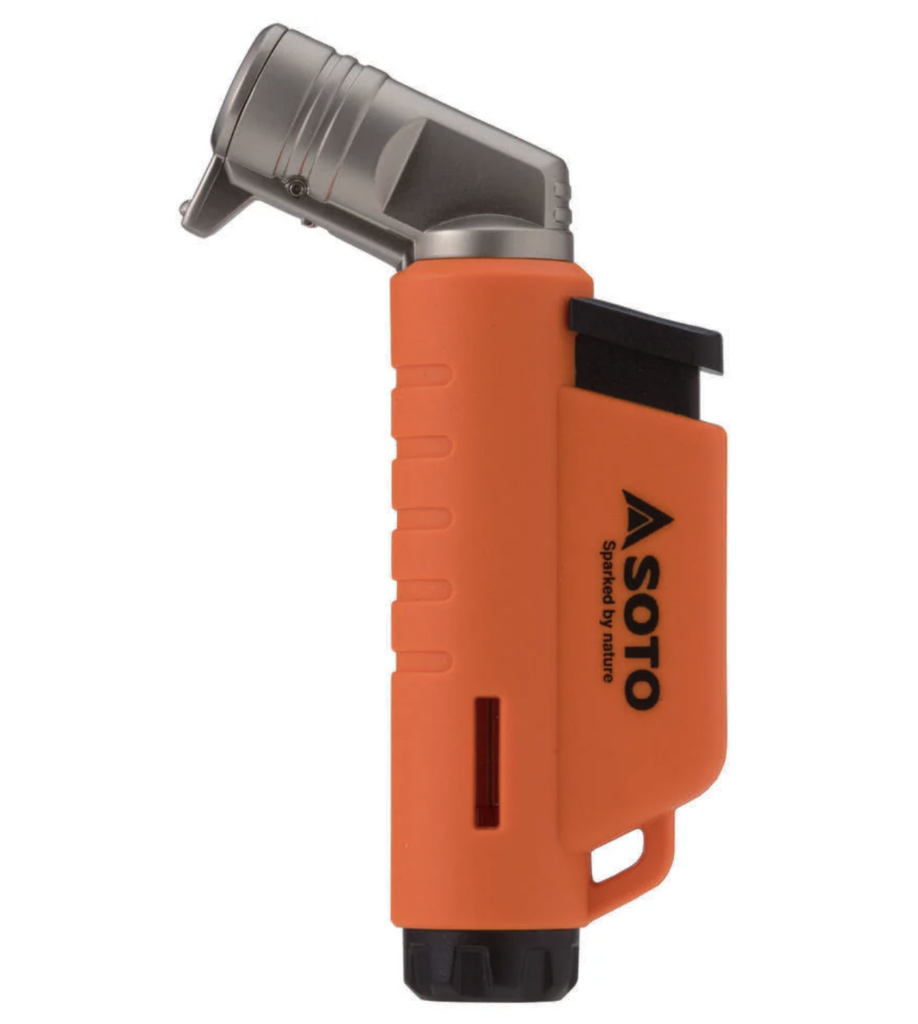
For welding and melting the blowtorch/jet flame type lighters work best. Zips ties can be melted into a crack as a make shift weld.
Small roll of tape
I have had very little success in the past patching a hole in a boat with some tape as the surface needs to be dry and clean. I have however used tape (Gorilla type tape) to repair a broken neck seal. My Adventure Medical first aid already contains a small roll for first aid applications, but I have added a second roll for other repairs.
Keeping everything together and dry
All of the above is carried in a small zip pouch and then placed in a roll top dry bag. This helps ensure that any metal kit like the multitool are kept away from the damp to prevent rust. Rust just kills kit.
How about you?
What’s in your repair kit? What could we add to ours?
Leave a Reply