Welding kayaks isn’t that difficult once you get your eye in. However any boats made from cross linked plastic have additional issues as the the temperature difference between welding and blowing the plastic apart is a very narrow margin.
Quite often even the best welded repair will have some level of weakness and could fail. Some paddlers add wire mesh to strengthen the repair and I myself have found this to be very successful and almost bombproof depending on the location of the weld.
However there is an alternative that I have seen on a number of boats over the last few months. It looks rather industrial but seems to work really well. Below is a series of images from Nick Wright who used this alternative approach to repair a Jackson Kayak play boat.
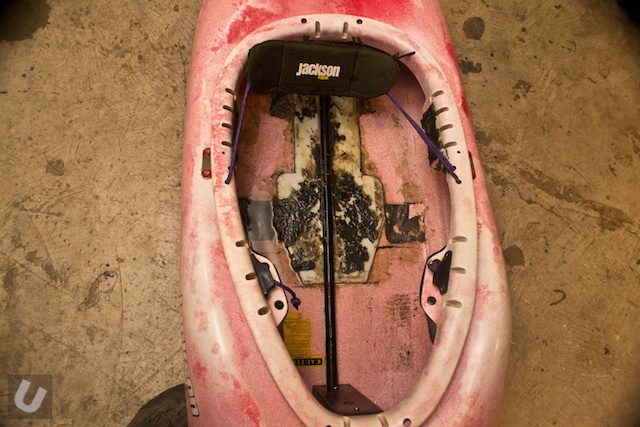
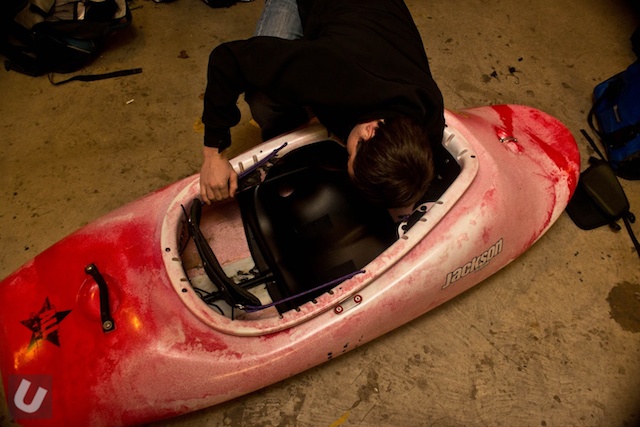
The boat had suffered damage to the area below the seat, which is pretty much where most boats will fail. The previous owner had used a large plastic patch to support and seal the damage but this had begun to fail.
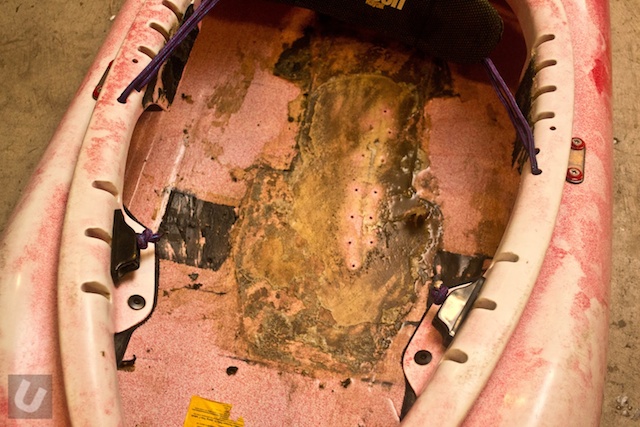
The first part of the process was to get access to the damage by removing the seat and the plastic patch.
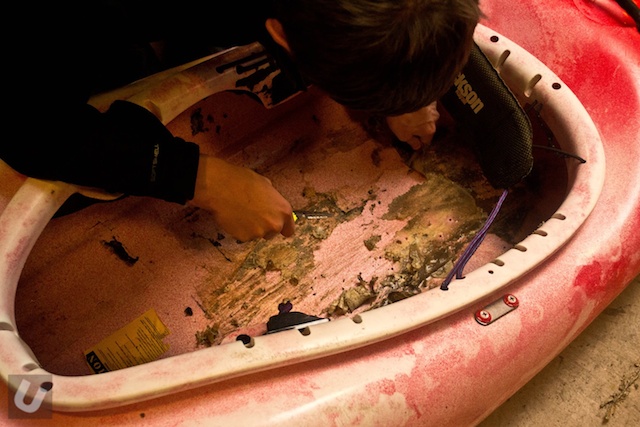
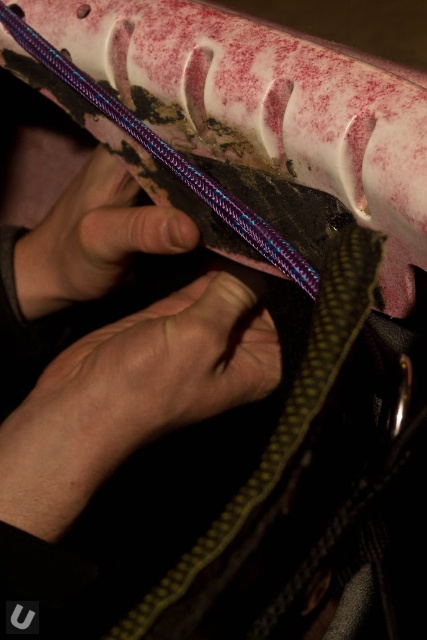
A fair bit of time was required to get the area clean enough to accept the new repair.
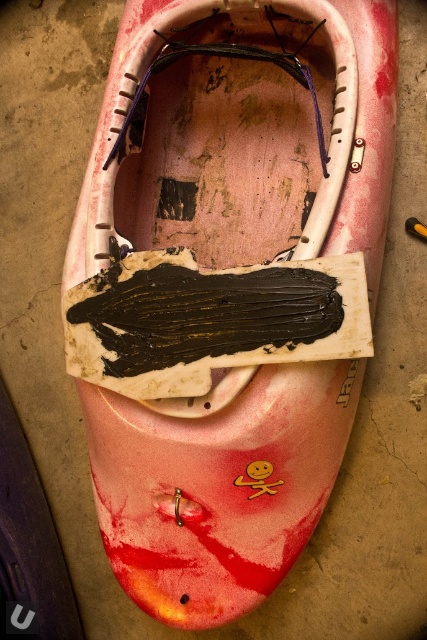
As the patch used was of a good size is was reused. A copious amount of black silicone sealant was applied to the patch.
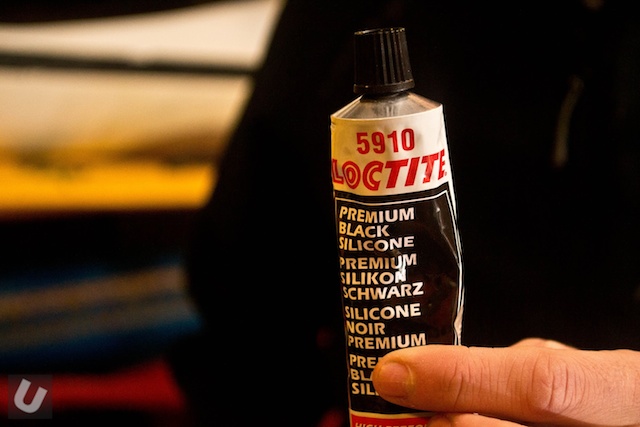
The patch was set in place and given time to cure.
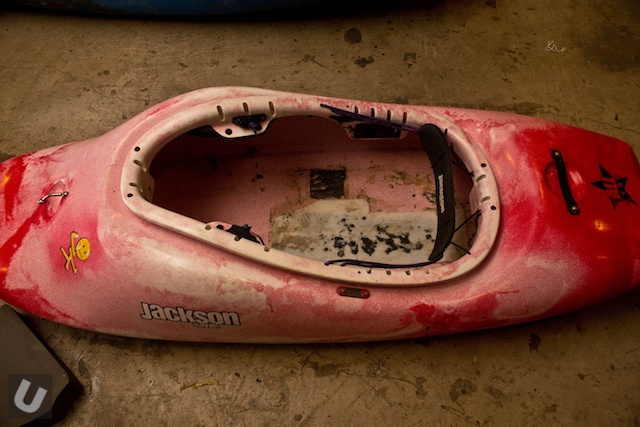
The hole and the patch had been drilled by the previous owner and it is this part of the process that I believe can save a badly damaged boat.
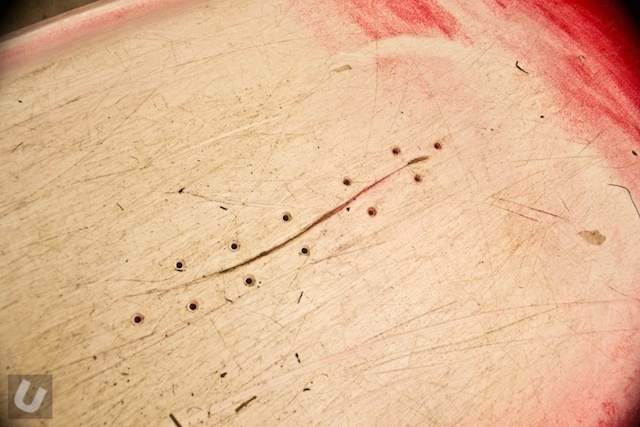
With a combination of a patch, sealant and a method to fasten it all together (the patch – fastened to the boat) you can produce a really good repair that keeps the water out but is quite robust.
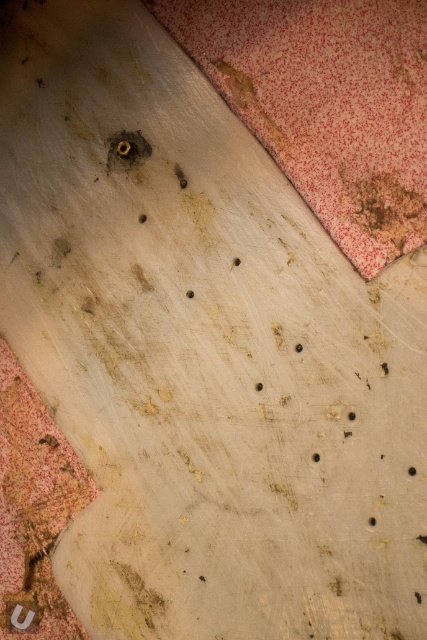
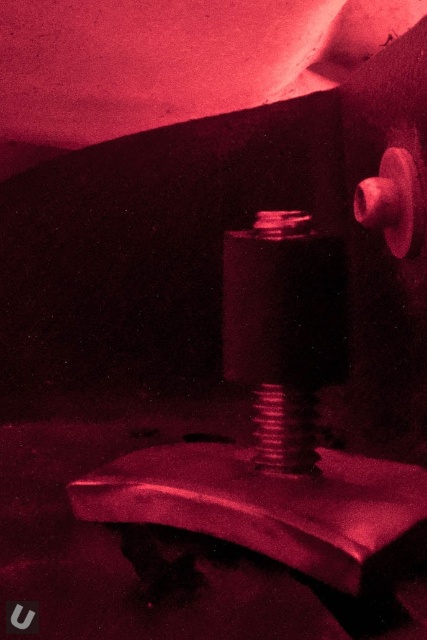
Bolts or pop rivets seem to be the weapons of choice and are used to permanently attached the patch to the boat. This not only keeps the patch in place but also gives the whole area a greater level of stability.
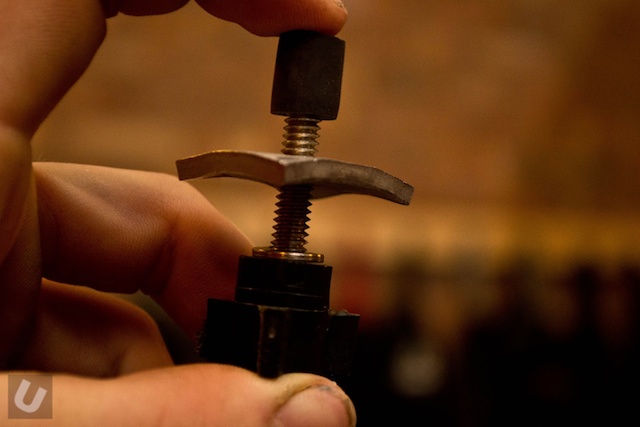
Once set and sealed the boat was pieced back together.


Leave a Reply