Darren Clarkson-King is a huge fan of old school kayak designs and owns many of the classics. He gives us his take on Old Is The New New.
Should you buy new or used, will you enjoy your paddling more in the latest boat?
We all love the smell and feel of a fresh new boat – the latest design, latest color to match our PFD. We may tell ourselves that our skill base will increase with the latest design. Whilst this may be a half truth it is not the whole truth. Some of the worlds hardest runs were pioneered many years ago, at the evolution from composite to plastic. Sure you have all seen Stikine footage of Dancers, Eclipse or Overflows. Or the Indus footage in Stunt and Roto bats. What about the Tsangpo in H2 or classic Cali runs in the Diablo. Lets not forget the steep runs of Europe in the mighty Topo. You can still find these styles of boat on ebay, gumtree etc for less than a night out.
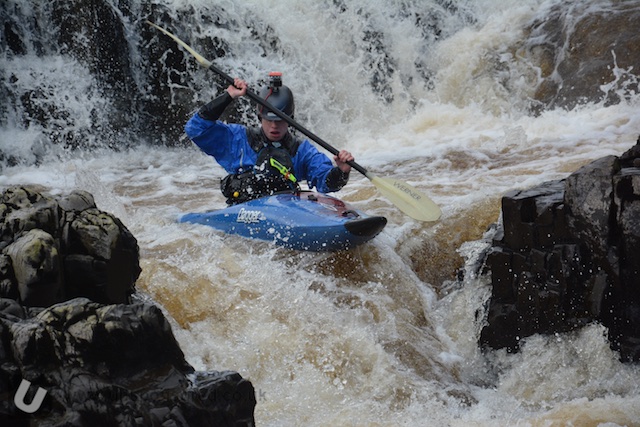
Why spend £1000 on a boat you are going to want to upgrade soon anyhow, or worse break and landfill, taking 500+ years to decompose. An older design will do he same job for a good part of your paddling than a latest design. It’s good to see some of the classic making a come back, on weekends around the UK, on longer multi day trips across the globe and on late night ebay shopping the rise of older boats is plain to see.
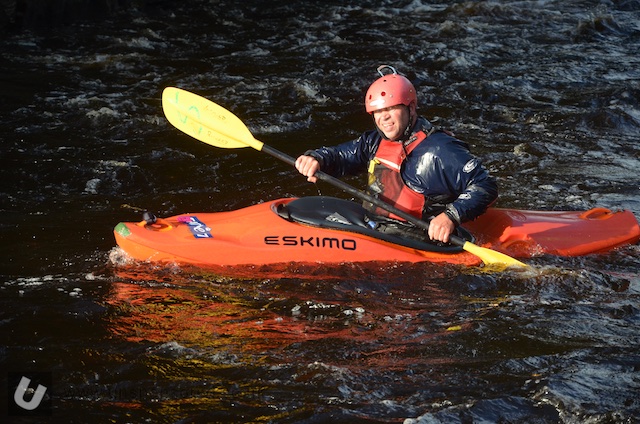
Cost effective ways of exploring the rivers, sea and lakes. In the mid 90s the Hurricane and Diablo pushed paddle sport to new areas, remember the Kerns among other forging new descents, these boats are still around, still going strong for many – that’s a great shelf life. The iconic Salto, RPM, 270/275 and Freefall also still sought after.
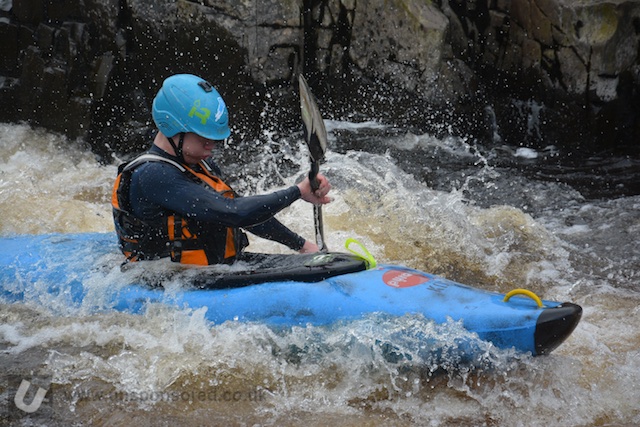
Speaking from experience I have a 16 year old boat in the North of India, bought second hand 10 years ago paddled it for 2 seasons and passed it on, its used daily by various guides and trainees. The plastic is still solid, the outfitting because it is super simple still in one piece. I searched on ebay for the same model and the average price was £75. Perfect price. A fun day boat but also able to run multi days trip with ease. For me its also an interesting concept to use these older boats when on trips outside of the UK. Where after your trip you can donate your boat to a local guide, club or school. This saves you the hassle of flying a boat home and increasing grass roots participation in paddle sport. Remember paddling isn’t a fashion show – although some think it is. It’s about the simple ebb and flow.
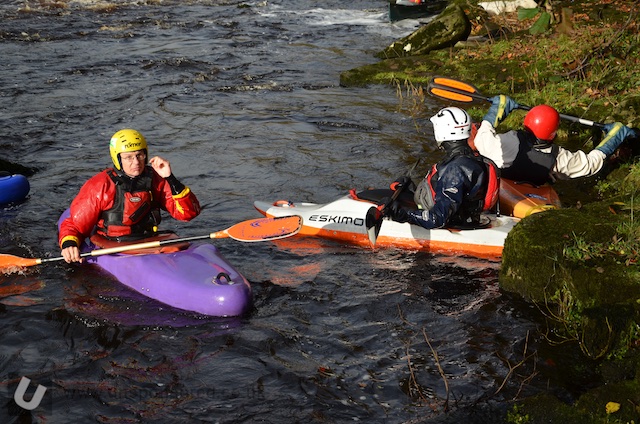
Set against a modern boat, 12 months old that I have in Rishikesh, where the seat, back band and end grabs have all needed to be replaced. The new boat seems a false economy. Considering the modern price tag, expense of getting the boat on a plane etc – but it’s also a prestige thing, like buying a car, we get that. Personally I would be happy to use any boat, just to be in the flow. Seriously is the latest hull design or back rest system going to make that much different to your style, is a mk1, mk2 or mk3 of a design that much different. For some sure it is, it makes their day, lifts the heart, gives confidence. For others the latest designs mean a whole new paddle concept that takes a while to dial in. If they are honest perhaps they could have progressed in the older shape just as well if not better, like slipping on an old slipper.
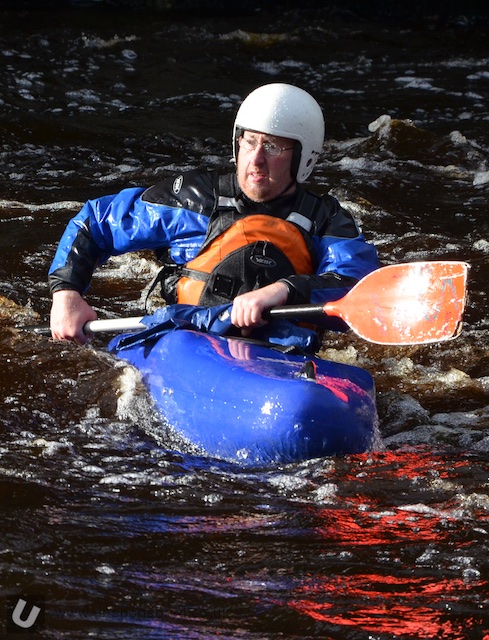
As a business provider we understand that people want to use modern boats – its why we have a full modern fleet available for our trips. Its interesting to see the percentage of people that want the older designs, the safe bets, the ones with minimal fuss, no screws, no ratchet back bands, no gimmicks. Over the last 5 years we have seen the balance shift from those wanting a new design to those more than happy to use a boat built a decade or more ago. A Riot Magmum, Everest or Mystic are always chosen before a 9r, Shiva or Mamba. Don’t you think that’s interesting? The trends in paddle sport obviously change but is it now the dawn of a new line of thinking, where ecological and financial consideration sit amongst conscious progresses of skill and progression.
Bio:

Darren offers in-house training in the Himalaya and is a consultant for Nepal Association of Rafting Agents (NARA) making a blue print for an Industry standard.
He also paddles a bit.
www.purelandexpeditions.com
info@purelandexpeditions.com


Leave a Reply